The Best Soft Foods to Eat After a Dental Implant or Tooth Extraction in Miami
Undergoing a dental implant procedure or tooth extraction is a significant step toward achieving a healthier, more confident smile. Whether you are opting for a dental implant to restore a missing tooth or undergoing an extraction due to decay or damage, one of the most important aspects of post-procedure care is your diet. In Miami, a city known for its active, health-conscious community, patients are increasingly seeking advanced dental treatments that support their lifestyles.
After any dental surgery, following the correct post-operative care instructions is critical. One of the easiest and most effective ways to ensure optimal healing is to eat soft foods that minimize irritation and protect the delicate areas of your mouth as they recover.
At Dr. Julio Rosado's practice, we understand the importance of recovery, and we offer expert care tailored to your needs. In this blog, we will guide you through the dental implant process, explain the importance of proper nutrition after surgery, and suggest the best soft foods to support healing after dental implants or tooth extractions.
The Dental Implant Process
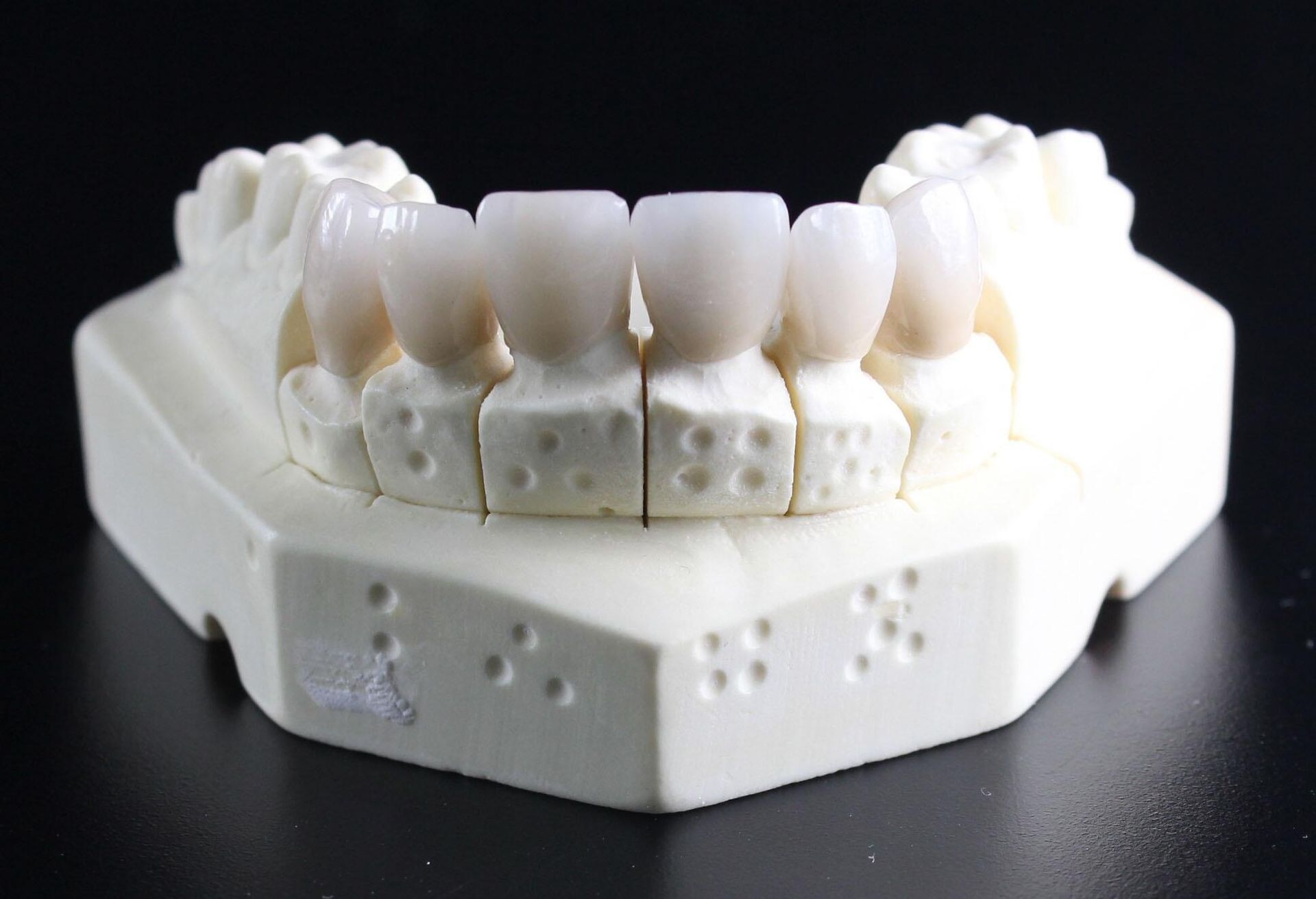
Dental implants are one of the most advanced solutions for replacing missing teeth, offering both functional and aesthetic benefits.
- Consultation and Planning: The process begins with a detailed consultation. During this visit, your dentist will examine your oral health, take X-rays, and discuss your goals. If there is enough healthy bone to support the implant, you will proceed to the next step.
- Implant Placement: The dental implant, a titanium post, is surgically placed into your jawbone. Over time, the bone integrates with the titanium post in a process known as osseointegration. This provides a solid foundation for the permanent restoration (usually a crown or bridge).
- Healing Period: Healing typically takes 3 to 6 months, allowing the implant to fuse with the bone. During this period, it is crucial to avoid foods that could interfere with healing or dislodge the implant.
- Restoration Placement: Once the implant has integrated with the jawbone, the restoration (such as a dental crown) is placed on top, completing the process. The final result is a natural-looking, durable tooth replacement.
Benefits of Dental Implants
Dental implants offer a range of advantages over traditional dentures or bridges. They provide a secure and stable fit that allows for normal eating, speaking, and smiling. Implants also help prevent bone loss, preserving the integrity of the jaw and maintaining your facial structure over time. Unlike dentures, implants are permanent, meaning you will not have to worry about them slipping or needing frequent adjustments.
What Are Dental Implants?
Dental implants are sophisticated medical devices designed to replace missing teeth. Made from biocompatible materials such as titanium, they are surgically implanted into the jawbone to mimic the root of a natural tooth. Implants not only restore the appearance of your smile but also allow you to eat and speak without the discomfort or limitations often associated with dentures.
Implants offer long-term durability and improved function. Since they fuse with the bone, they act just like natural teeth, allowing you to chew, bite, and smile with confidence. Additionally, implants help maintain the structure of your jawbone by stimulating bone growth, something that dentures cannot do.
The Tooth Extraction Process
Tooth extraction is a routine dental procedure that may be necessary for various reasons, including:
- Severe tooth decay
- Gum disease
- Impacted teeth (such as wisdom teeth)
- Trauma or injury
The extraction process itself is straightforward, but it requires careful planning and aftercare. Typically, the procedure involves numbing the area with a local anesthetic. In some cases, sedation may be used to ensure the patient’s comfort.
After the extraction, your dentist will provide detailed instructions for caring for the site. It is important to follow these guidelines carefully to avoid complications such as infection or a dry socket. The recovery time after tooth extraction can vary depending on the procedure’s complexity, but most people heal within a few weeks.
Dental Implants vs. Dentures
When considering tooth replacement options, many patients wonder whether they should choose dental implants or dentures. While both options can restore your smile, there are significant differences between them.
- Dental Implants: Implants offer a permanent solution that integrates with your jawbone. They provide a natural look and feel and allow you to eat and speak with ease. Implants do not require adhesives, and they do not slip or shift, offering unmatched stability.
- Dentures: Dentures are removable prosthetics that rest on your gums and replace missing teeth. While they are a more affordable option upfront, dentures can be less comfortable than implants. They may require regular adjustments, and some patients experience issues with them shifting or becoming loose. Additionally, dentures do not prevent bone loss in the jaw.
Overall, dental implants provide a long-term solution that closely mimics the feel of natural teeth. If you are looking for durability, comfort, and a permanent solution, dental implants are the better choice.
Nutritional Tips for Faster Healing
When recovering from dental implants or tooth extractions, your diet plays a crucial role in promoting faster healing, reducing discomfort, and ensuring the best possible results. The body requires certain nutrients to support tissue repair, bone regeneration, and overall recovery. By focusing on foods rich in vitamins, minerals, and other healing nutrients, you can help speed your recovery and avoid complications. Here are some nutritional tips to help you heal faster after your procedure:
Vitamins and Minerals That Support Healing
Certain vitamins and minerals are essential for wound healing and bone regeneration, making them particularly important during recovery. Here are some key nutrients to incorporate into your diet:
- Vitamin C: Vitamin C is crucial for collagen production, which is necessary for the healing of soft tissues.
- Vitamin D: Vitamin D is essential for calcium absorption, which is vital for bone health.
- Calcium: After dental implants or extractions, calcium is important for bone healing and maintaining jawbone density.
- Zinc: Zinc is a powerful mineral that supports cell growth and tissue repair, making it crucial for wound healing.
- Iron: Iron supports blood circulation and red blood cell production, which are important for healing.
Foods to Avoid
While focusing on nutrient-rich foods is key to faster healing, there are certain foods you should avoid during recovery. These foods can irritate the surgical site, cause discomfort, or delay healing. Here is a list of foods to steer clear of during your recovery:
- Spicy Foods: Spicy foods can irritate the gums and surgical sites, leading to discomfort and potentially hindering healing.
- Acidic Foods and Drinks: Foods and beverages with high acidity, such as citrus fruits, tomatoes, and vinegar-based dressings, can irritate the healing tissue.
- Hard and Crunchy Foods: Hard foods like nuts, popcorn, and chips, as well as crunchy vegetables (like raw carrots), can put pressure on the healing gums and implants, potentially causing pain or delaying healing.
- Sticky Foods: Sticky foods like caramel, toffee, and chewing gum can get stuck in the surgical area, irritate the gums, or dislodge blood clots, increasing the risk of complications such as dry socket (especially after a tooth extraction).
- Alcohol and Caffeine: While a small amount of alcohol may not be harmful, it can interfere with your body’s ability to heal, especially if you are taking prescription medications for pain management. Caffeine can also dehydrate you, which may slow down recovery.
Hydration and Its Role in Recovery
Staying hydrated is just as important as eating the right foods. Dehydration can lead to complications such as dry mouth, which can increase the risk of infection and slow healing. Drinking plenty of water helps flush out toxins, supports healthy saliva production, and keeps your gums moist, which is important for preventing infection.
In addition to water, you can hydrate with other beverages, such as herbal teas, but avoid sugary drinks and sodas, as they can contribute to swelling and discomfort. Staying hydrated also helps maintain energy levels, which can be important during your recovery process.
Soft Foods to Eat After a Dental Implant or Tooth Extraction
After dental surgery, it is essential to focus on consuming soft foods that will not irritate your gums or interfere with the healing process. Eating the right foods helps reduce pain, prevent swelling, and accelerate recovery.
- Why Soft Foods? After dental surgery, your gums need time to heal, and eating hard, crunchy, or sticky foods could disrupt this process. Soft foods are easy to chew and cause minimal stress on the healing areas, ensuring a smooth recovery.
- Best Soft Foods for Recovery:
- Soups and Broths: Warm, nutritious soups (without large chunks) are perfect for providing essential vitamins and minerals without requiring chewing. Stick to broth-based soups rather than creamy ones to avoid irritation.
- Mashed Potatoes & Soft Vegetables: Mashed potatoes are a classic comfort food. When prepared without chunks, they are soft enough for post-surgery recovery. Other soft vegetables, like cooked carrots or squash, can also be mashed or pureed.
- Smoothies: Smoothies are a great way to get a variety of nutrients in one meal. Blend fruits, vegetables, and yogurt until, avoiding a straw to prevent suction that can cause complications.
- Yogurt & Pudding: These cool, soft treats have a smooth texture that is easy to swallow and will not irritate your gums.
- Scrambled Eggs: Eggs are an excellent source of protein and are soft and easy to prepare. Scrambled eggs are ideal after dental surgery because they require minimal chewing.
- Oatmeal and Creamy Cereals: Soft, easy-to-swallow cereals, like oatmeal, are a great breakfast option. They are gentle on your gums and provide energy for the day.
FAQ Section
How long should I stick to soft foods after an implant or extraction?
Generally, it is recommended to stick to soft foods for about 1-2 weeks after the procedure. However, you may be able to slowly introduce firmer foods as you feel more comfortable, usually after the initial healing period.
Can I eat hard or crunchy foods once my implant feels fine?
While your implant may feel fine after healing, it is essential to wait several months for full integration with the jawbone. Hard foods should still be avoided to prevent any damage to the implant or the gums.
How can I manage pain after my dental procedure?
Over-the-counter pain medications, such as ibuprofen or acetaminophen, can help manage discomfort. Ice packs applied to the face can also reduce swelling. Always follow your dentist’s aftercare instructions for optimal results.
How long does the healing process take?
Healing time varies by individual and the complexity of the procedure. For dental implants, the full healing process typically takes between 3 and 6 months. For tooth extractions, healing may take anywhere from a few days to a few weeks.
Conclusion
Recovering from dental implants or tooth extractions requires careful attention to diet and aftercare. By choosing soft foods and following your dentist’s instructions, you can promote healing and ensure a smooth recovery process. If you are considering dental implants in Miami and want expert care, Dr. Julio Rosado and his team are here to guide you every step of the way. Contact our office today to schedule a consultation and take the first step toward a healthier, more beautiful smile.